

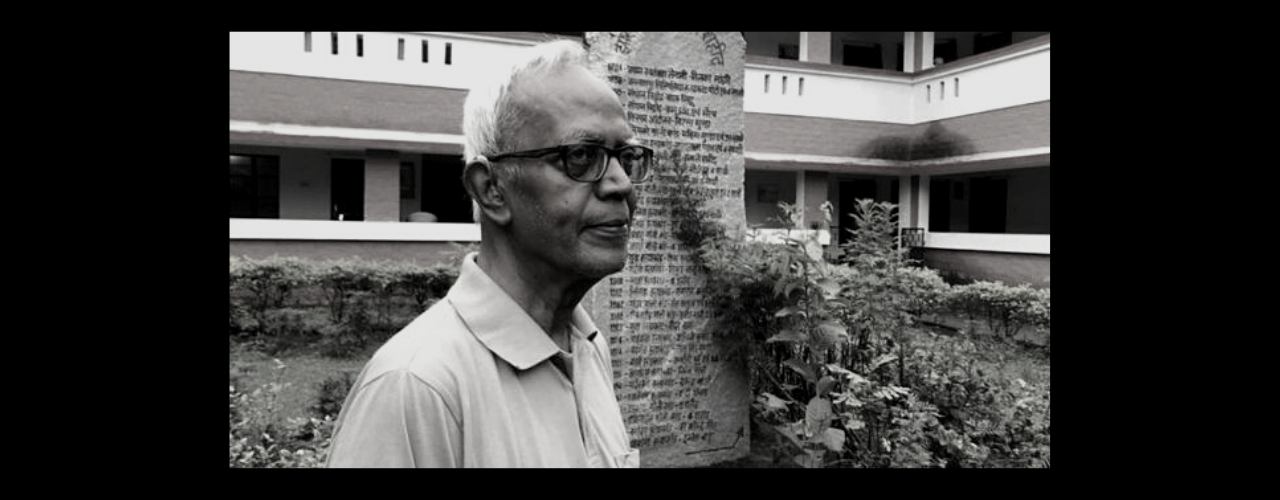
Free Human Rights Defender Stan Swamy SJ
Stan Swamy SJ is an 83-year-old Jesuit and human rights defender in India who has been arrested on false charges of involvement with extremist groups. We demand his release.
Stan Swamy SJ is an 83-year-old Jesuit and human rights defender in India who has been arrested on false charges of involvement with extremist groups. We demand his release.

Fratelli Tutti unpacks what this means: the nation state must be relativised and the natural right of migration must be recognised, global orders of law, especially dedicated towards the preservation of fundamental human rights must be established, private property must be exposed as a delusion and relegated to its proper place as a secondary right, derived from the inescapable fact that every good thing is a gift that is owed to everyone.

Last weekend, in the middle of a worsening pandemic, a crowd of almost a thousand people marched through the streets of Dublin, protesting at what they saw as illegitimate restrictions on their freedoms. Most of us agree that these “restrictions” are in fact sensible public health procedures and fail to understand how being asked… Read more »
Last weekend, Irish social media lit up with the sharing of a shocking video. By habit and disposition, I try to avoid clicking on these links. My world is distressing enough as it is at the moment and it is easier to process things when presented in black and white in text. Full colour… Read more »
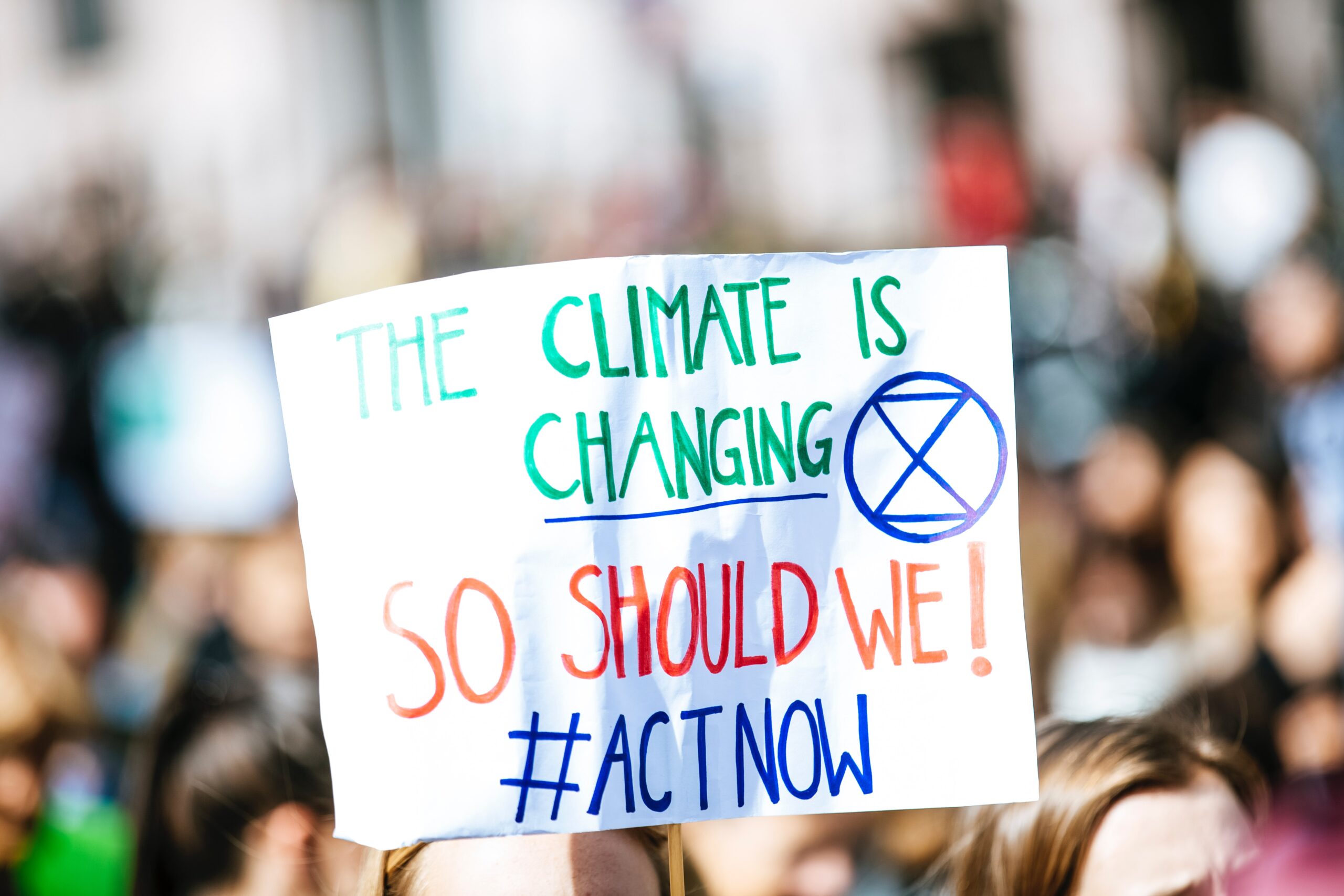
On July 31st 2020, in an historic judgement, the Irish Supreme Court found in favour of Climate Case Ireland, quashing the National Mitigation Plan (NMP), a major component of the State’s climate change policy. Climate Case Ireland’s lawyers successfully argued that this plan was inadequate in terms of reducing our emissions by our fair share.… Read more »
The EU Commission ruled in 2016 that Ireland had illegally offered State aid to Apple in their tax arrangements. Like so many of the multi-national corporations based in Ireland, Apple were never heavily taxed here – paying about 1% of their profits in 2003. But by 2014, that rate had reduced to 0.005%. The… Read more »
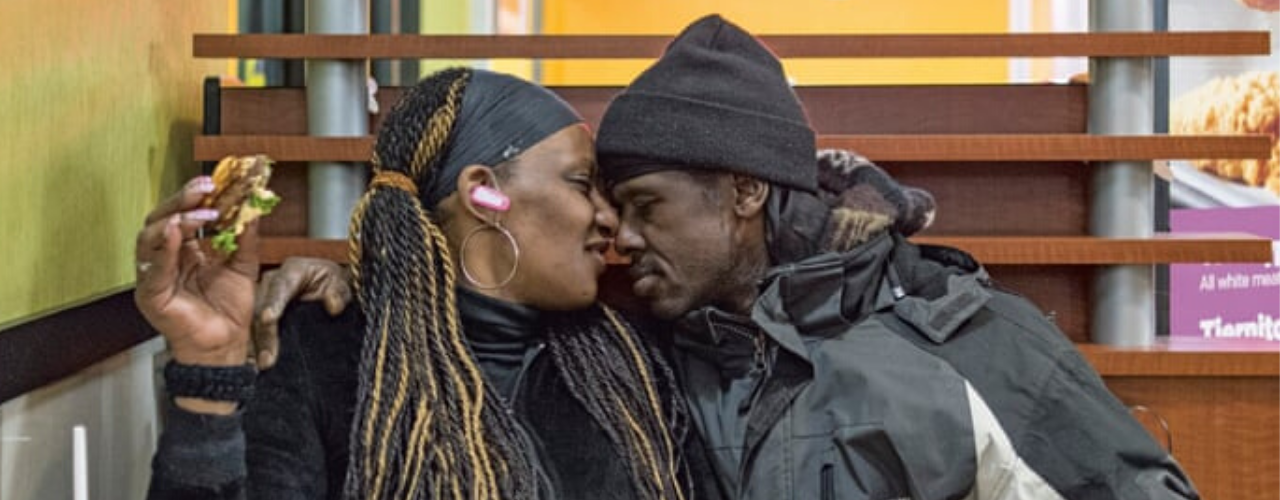
The age in which we live is, apparently, one of seismic political shifts. For some, a dangerous popularism is resurgent around the world. Others optimistically spy the end of neoliberal hegemony and the beginning of a new left renaissance. Regardless of where one falls on these questions, two recent books – Chris Arnade’s Dignity… Read more »

Fine Gael, Fianna Fáil, and the Green Party yesterday published their proposed Programme for Government. 128 days after the General Election, this is the first concrete step towards the formation of a new government. The document – 126 pages long – will now be examined by the members of these political parties and by… Read more »

It is less than two weeks since the Minneapolis police officer, Derek Chauvin, was caught on camera killing George Floyd, a 46-year-old African American man. Floyd, who was a father of three, an accomplished sportsman, and a devout Christian had been suspected of passing a counterfeit $20 note. Protests in the city of Minneapolis… Read more »

There’s a kind of knowledge about the city that you can only learn on a saddle. It’s not just a familiarity with the camber of Dublin’s streets, or the distinctive staccato vibration brought about by tarmac as it degrades, or how the traffic lights are engineered so a cyclist has to move out into… Read more »
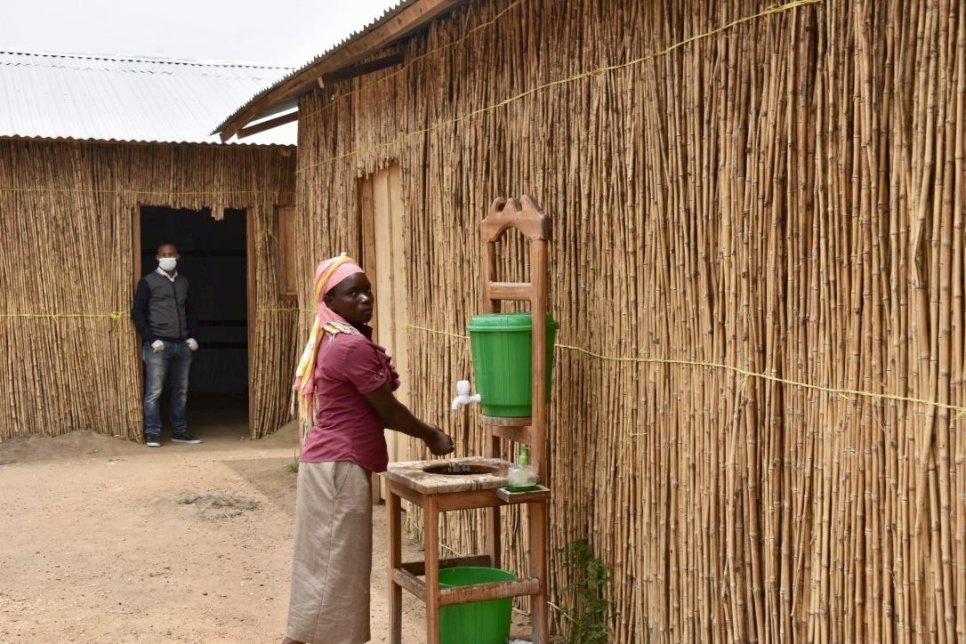
Irish society has been dramatically reorganised to mitigate the impacts of the Covid-19 pandemic. The national collective effort has been immense, directed at all times to “flattening the curve” and enabling our stretched medical system a chance to cope with those who are ill. Not since the World War II has Irish society faced… Read more »

While our thoughts naturally turn to the Spanish Flu pandemic when trying to make sense of Covidtide, remembering the much more recent AIDS epidemic is also essential. More than a generation ago, the Irish moral theologian, Enda McDonagh, wrote an essay about the theological implications of the AIDS epidemic that still resonates today.

On March 26th, readers of the Financial Times saw an unexpected obituary. Among the many victims that have already fallen to Covid-19, the go-to source of news for global capitalism declared the end of neoliberalism. So many established facts of life have fallen under the force of the pandemic that many people are openly… Read more »
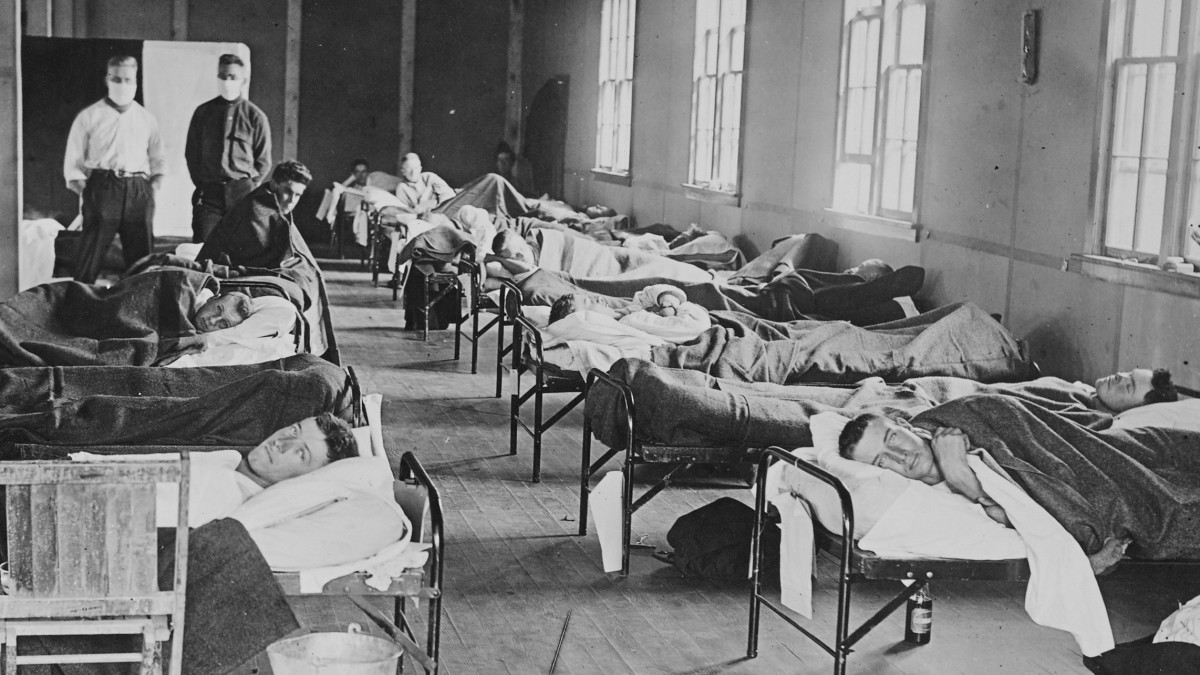
Two years ago, on the centenary of the Spanish flu pandemic, Kevin Hargaden wrote about the need to address structural injustices in society and in our health system to prepare for the next global pandemic, and reminded us that Christians have always tended to the sick and marginalised.

In many ways, the book of Exodus is the cornerstone of the bible. The story of liberation from slavery and the idea that God identifies with the oppressed is the bass-line for Jesus’ ministry. But there was always one part of the narrative that I struggled with, says Kevin Hargaden.
Last Autumn, the Jesuit Centre for Faith and Justice published an issue of Working Notes built around the theme of “risk”. Those essays have continued relevance, but none of them mention pandemics. This is not an oversight on our part. We understood risk as a compound concept. It isn’t simply a function of unexpected… Read more »
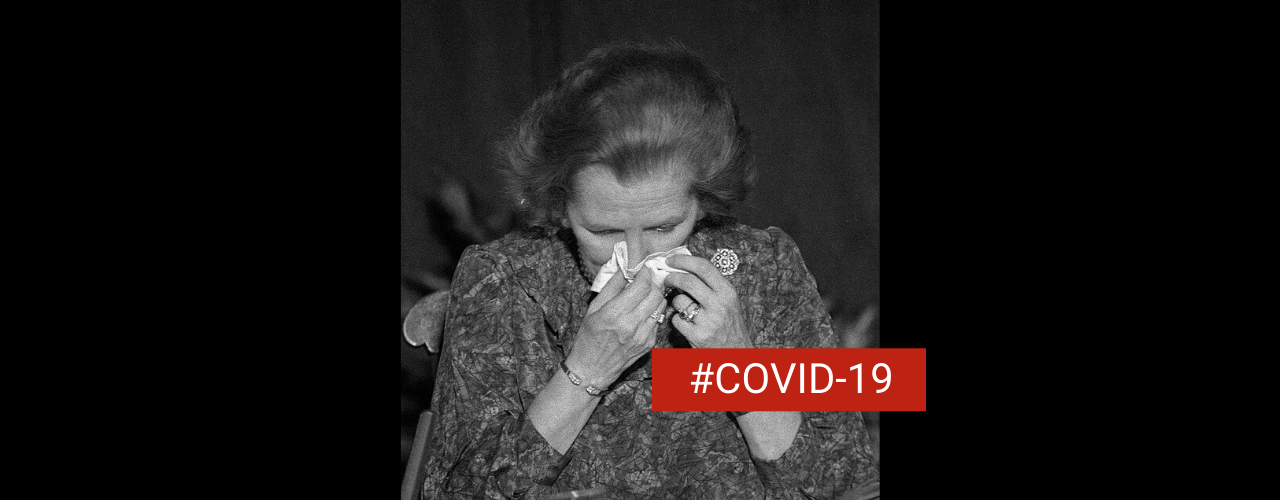
Our current market-focused political culture came to power after the oil crises of the 1970s. In normal circumstances, it would be highly unlikely that any electorate would vote for a system that systematically weakened social welfare, deregulated markets, and reorganised resources so that rich people were more likely to get richer. But the architects… Read more »

Despite 2019’s “green wave”, just a small percentage of the electorate says the environment is their top priority when choosing who to vote for in next month’s general election. To see it as disconnected from the other electoral issues is an error, says Kevin Hargaden.
In our general election guide to the economy, our Social Theologian, Kevin Hargaden says we should ask ourselves who the economy serves, and how it is affecting our lives and the life of the planet.

2020 is just a week old, but between the prospect of war and a continent aflame, it is all-too-easy to grow despondent.
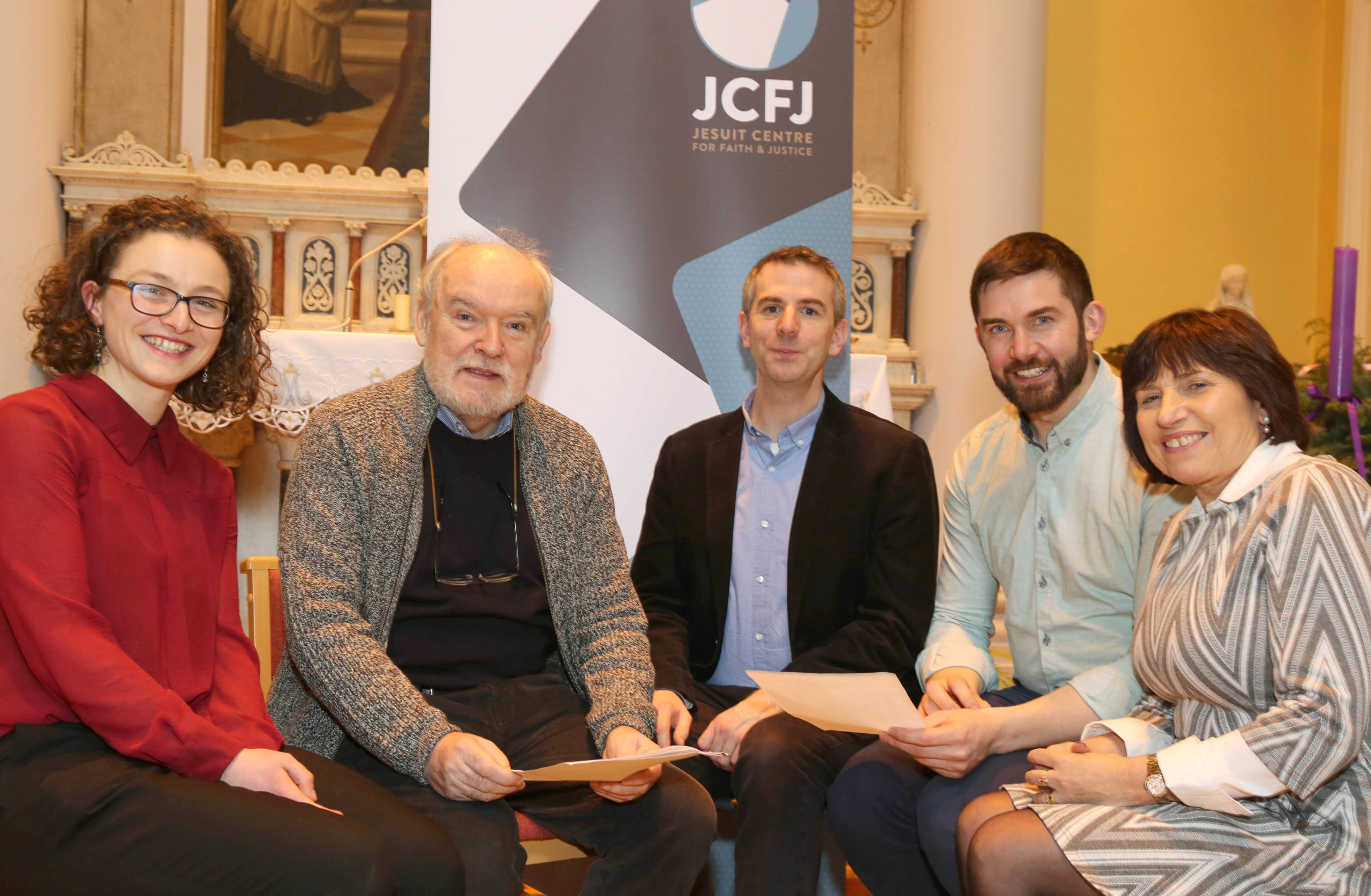
On December 5th, 2019, the Jesuit Centre for Faith and Justice welcomed friends, supporters and collaborators to the beautiful Ignatian Chapel in Gardiner Street for the launch of our 2019-2023 Strategic Plan. Hosted by JCFJ Director, John Guiney SJ, the event was an opportunity to share and reflect on the goals and ambitions of the… Read more »
Working Notes is a journal published by the Jesuit Centre for Faith and Justice. The journal focuses on social, economic and theological analysis of Irish society. It has been produced since 1987.